
Humans First. Therapists Second.
Our humanity helps us relate to you. Our training helps us guide you.


Our why.
SACCA began with a friendship. For years, we (Rachael & Kory Ann) have sat side by side as therapists and as women—walking each other through grief, burnout, motherhood, and identity shifts with the kind of honesty that doesn’t let you stay the same. That friendship became a learning place for us, our anchor, and our reminder: healing is relational. We heal faster in relationships than in isolation.
Together, we built and led a large group practice. The work mattered deeply, but over time, we found ourselves managing more than witnessing. The pace of traditional models didn’t allow for the kind of presence we knew was possible. We wanted to sit with people in a way that could truly shift something.
Again and again, we watched good, hard-working clients bump into the same wall: weekly therapy wasn’t always enough. Insight was there. Courage was there. But there was never quite enough time or space for everything to land. People needed a deeper container, a space that could actually hold the fullness of their stories.
SACCA became that container. A place where time slows. A space for truth to be found and where you’re met as a whole human. You are welcome here.
Come rest. Come remember. Come home to yourself.
SACCA / ˈsɑː-tʃə /noun—Pali
A word for inner truth—the part of you that knows, even when the rest of you forgets.





Our backdrop.
Montana is spacious in a way that changes you. The mountains, the rivers, the endless sky—they create a quiet that settles the body and opens the heart. It’s why we chose to root our work here.
Our commitment.
We create the conditions needed for new ways of being to take root—your environment, our guidance, and an approach tailored to you.

Be here.
We create a space where you can turn everything else off and be present with yourself; we'll meet you here.

Be held.
You don’t have to know the way. We'll help you find it. We'll guide you through a process made for you.

Be you.
The work doesn’t stay in your head anymore. It lands in your body and opens the door to a new way of life.
-
We believe in the wisdom of Carl Rogers: “We can learn all the modalities, all the techniques—but when we are with another human soul, we must simply be another human soul.” That’s how we work. We meet you as fellow travelers. Everything is tailored moment by moment, drawing from the tools that best serve you—not a preset protocol or formula.
Here are some of the modalities we may use in our work together:
Internal Family Systems (IFS): IFS helps you notice your inner world—thoughts, emotions, reactions—and relate to them with more clarity. In the room, this looks like slowing down, checking in with what’s happening inside, and gently getting to know the parts of you that show up in your life.
Intimacy From the Inside Out (IFIO): IFIO applies IFS to couples work. You’ll learn to pause during conflict, speak from a calmer place, and understand what’s happening underneath each other’s reactions. It’s practical and surprisingly grounding.
Emotionally Focused Therapy (EFT): EFT helps you understand your emotional patterns and how you reach for (or pull away from) connection. In session, we help you track those moments in real time so you can respond differently and feel more secure.
Experiential Therapy: Instead of staying in your head, experiential work helps you feel the truth of something in your body. This might look like guided reflection, somatic awareness, imagery, or practicing a new way of relating—with support.
EMDR (Eye Movement Desensitization & Reprocessing): EMDR helps your nervous system digest experiences that feel stuck or overwhelming. In practice, we guide you through a structured process using bilateral stimulation (like tapping or eye movements) while you stay present and grounded.
Shame Resilience Theory: This work helps you notice where shame shows up and soften the harsh beliefs you carry. In session, this looks like naming the patterns, understanding where they came from, and practicing more self-compassionate ways of relating to yourself.
Interpersonal Psychodynamic Therapy: This approach helps you understand how past relationships shape your present ones. In real time, we pay attention to your emotions, reactions, and relational patterns as they arise—gently exploring what’s underneath.
Person-Centered Therapy: Rooted in presence and unconditional positive regard, this simply means you’re deeply seen and accepted. The work unfolds from that safety—no performance, no pressure, just honest exploration at your pace.
Our team
It's an actual honor to be a part of your story.
-
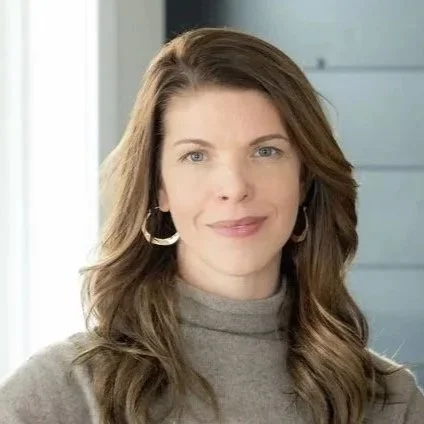
Rachael Dunkel-Dodier, LCPC, LAC
Co-Founder, Therapist & Guide
Rachael’s guided thousands of hours of work with individuals, families, and groups, drawing from extensive training in psychodynamic therapy and specializing in Internal Family Systems (IFS), Intimacy from the Inside Out (IFIO), Eye Movement Desensitization and Reprocessing (EMDR), addiction recovery, betrayal trauma, narcissistic abuse treatment, and the tender inner worlds of adult children of emotionally immature parents.
###Rachael grew up inside a family system shaped by significant mental health challenges—an experience that gave her an early, intimate understanding of pain, resilience, and what it means to sit with people through the hardest parts of their story. The death of her brother by suicide when he was twenty became a defining moment—one that reshaped the trajectory of her life and ultimately led her into the work of becoming a mental health therapist. At seventeen, she left Chicago and moved to Montana on her own. The land became her refuge, her teacher, and the place where she learned what it meant to come home to herself.
For more than a decade, Rachael has been a trauma therapist, clinical supervisor, group facilitator, and creator of experiential healing spaces. Her background also includes high-conflict divorce coaching, relational trauma work, and years of curating therapeutic programs that go far deeper than traditional weekly sessions.
Rachael weaves humor with warmth. She’s authentic, intuitive, deeply attuned, and able to see the whole system—your protectors, your pain, your patterns, your strength—without judgment. She brings big-vision energy and grounded clarity, moving with compassion and precision, whether she’s tracking a nervous system, guiding an EMDR session, or helping someone reconnect with a part of themselves they’ve long avoided.
Outside the therapy room, Rachael has founded and led one of the largest group practices in Bozeman, supervised dozens of clinicians, and shaped innovative mental-health programming across the state. But at her core, she’s someone who believes in the honor of sitting with people—quietly, steadily, and with deep respect—as they navigate the complexities of their human experience.
SACCA is where her personal story, clinical depth, and lived purpose converge. For Rachael, this work isn’t theoretical. It’s personal. It’s relational. And it’s rooted in the belief that when people feel safe, seen, and truly held, they can finally heal in ways that last.
“Healing is an act of courage. It takes a brave heart to step into a room, share the deepest parts of your story, and trust that growth is possible. To witness someone come home to themselves in that process is the greatest honor.”
- Rachael Dunkel-Dodier
-
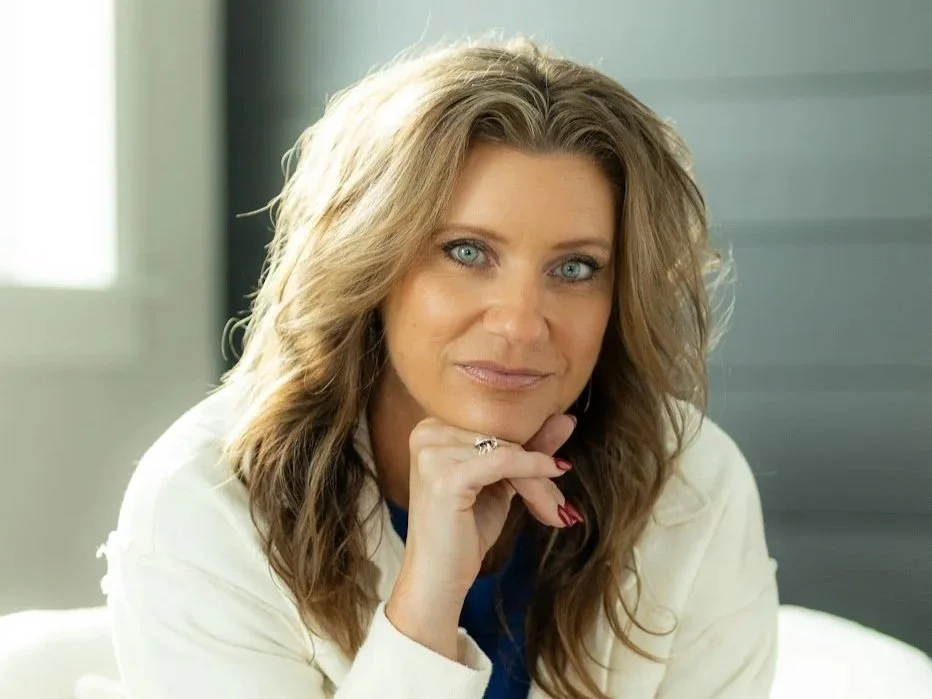
Kory Ann Rogers, LCPC
Co-Founder, Therapist & Guide
A Licensed Clinical Professional Counselor, Relationship Coach, and Certified Embodied Intimacy & Relationship Coach, Kory Ann brings deep expertise in couples therapy, family systems, trauma-informed care, addiction recovery, attachment repair, emotional-regulation work, and relational depth work. Her clinical approach blends IFIO-informed relational therapy and person-centered depth psychology.
Why Choose a SACCA Intensive?
While weekly therapy is meaningful, necessary, and often life-giving, sometimes, the weekly model can’t hold the weight of what’s asking to be seen, named, or healed. That’s where SACCA Intensives come in. Not to replace traditional therapy, but to offer a deeper, more spacious container for the moments that call for more. When life feels tangled or urgent, when you’re ready to move beyond insight and into integration, this is the space.
Weekly Therapy vs SACCA Intensives
| Weekly Therapy | SACCA Intensives |
|---|---|
| 50-minute sessions once a week | 2–3 immersive days of uninterrupted curated care |
| Change builds slowly, over time | Designed for accelerated, meaningful breakthroughs and deep integration in days vs. months or years |
| Pauses life for an hour, fitting into daily routine | Steps out of life to fully drop in, creating pause from the daily routine |
| While powerful, often interrupted by life, schedules, or time limits | Uninterrupted, protected space, free of distraction, for immersion that allows deeply restorative work |
| Insight-focused, then life pulls you back in | Integration-focused, you stay long enough for it to settle |
| Best for long-term support, maintenance, stability, and structure | Best for quicker results in repair, reset, transformation, and realignment |
| Good for gradual growth | Powerful when something needs to shift now |
| Build insight over time | Cuts through the noise, clears space to build insight quicker |
| Works well for ongoing support and steady progress | Ideal for those stuck, in transition, or craving depth |
| Insurance-based, clinician-led | Boutique, curated, sacredly attuned to your story |
| Routine rhythm | Intense depth healing |
| Traditional setting: office, screen, familiar context | Transformational setting: nature, stillness, curated Montana retreat space |
| Sessions may focus on the crisis of the week | Focus on root systems and patterns with quicker depth |
| Healing in fragments | Healing in full chapters |
The SACCA Story

Our invitation.
If you’re not sure whether this is the right time or the right kind of support, that’s okay. We can start with a simple conversation—one where you talk, we listen, and together, we get a feel for what might help.