
Running on Empty: What Burnout Really Looks Like and How Self-Care and Therapy Can Help
Self-care is one of the most searched — and most misunderstood — topics in mental health today. Everyone's talking about it, but very few people are actually doing it in a way that prevents burnout or restores their wellbeing long-term.
As a licensed counselor, a mom, a wife, and just a human doing life alongside everyone else, I can tell you this: self-care for burnout recovery matters more than most of us want to admit. Not in a trendy way, in a very real, very functional, nervous-system, burnout-prevention kind of way.
The questions I hear most often aren't whether self-care matters.
They're:
Why does it feel so hard to actually do?
What is it supposed to look like?
And why do we go so long without it until something in us starts to feel off?
The Bucket: Understanding Your Emotional Capacity and Energy Reserves
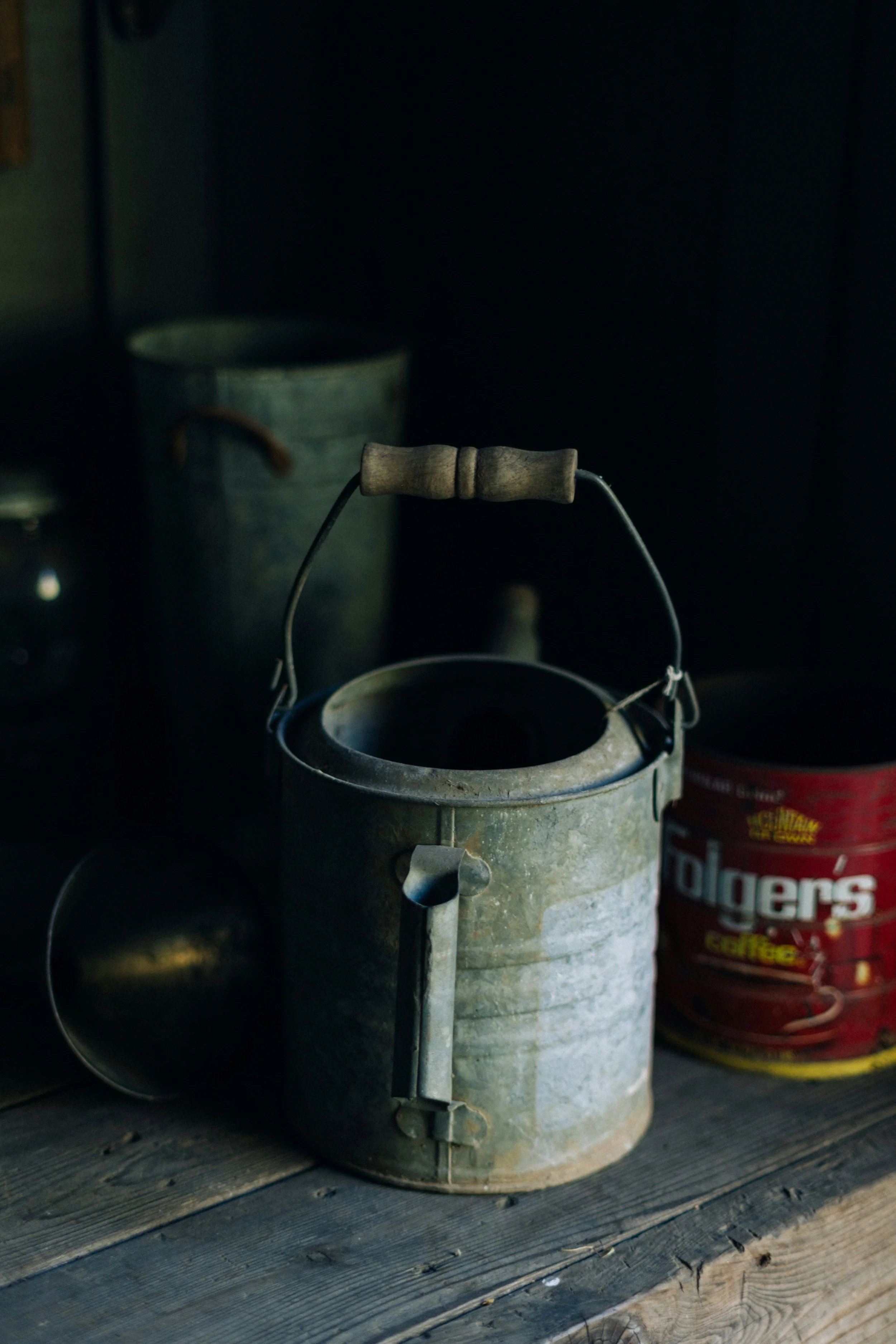
When the bucket is empty, there's nothing left to pour
Imagine carrying a bucket full of water. That water represents your energy, your patience, your emotional capacity, your ability to show up in your life the way you want to. Everywhere you go, you're ladling it out: to your partner, your kids, your job, your friends, your responsibilities. Even the things you love require something from you.
At first, it works. You give, and there's still plenty left. Then you notice you're getting empty, so you start stretching what's left. Then suddenly, you're scraping the bottom, pushing through anyway because life keeps asking something from you.
Often your body signals chronic stress and burnout before your mind fully catches up. Your heart races. You feel more reactive or more shut down — more anxious, more tired than makes sense. But you keep moving because people need you, because life keeps moving, because slowing down doesn't always feel possible.
Until eventually, there's just not much left to give.
What Burnout Actually Feels Like and Why It's Not Your Fault
This is where emotional burnout takes hold. This is where people begin to feel disconnected from themselves, from their relationships, even from things that once mattered deeply. Not because they're doing something wrong, but because they've been trying to give from an empty place for too long.
This is usually the moment we realize something has to change. Not because we're failing, but because we cannot keep pouring from a bucket that is no longer being refilled.
At some point, self-care stops being optional and starts becoming a clinical necessity, especially for those managing caregiver burnout, workplace stress, or long-term emotional depletion.
What Real Self-Care for Burnout Recovery Actually Looks Like
At SACCA, when we talk about self-care strategies for burnout, we're not talking about checking a box or doing something that looks good from the outside. We're talking about restoring capacity. About tending to your nervous system regulation, your emotional world, your internal experience, in a way that actually gives something back to you.
Sometimes that looks like rest. Sometimes it's space. Sometimes it's connection. And sometimes it's finally paying attention to the parts of you that you've been pushing past just to keep everything going.
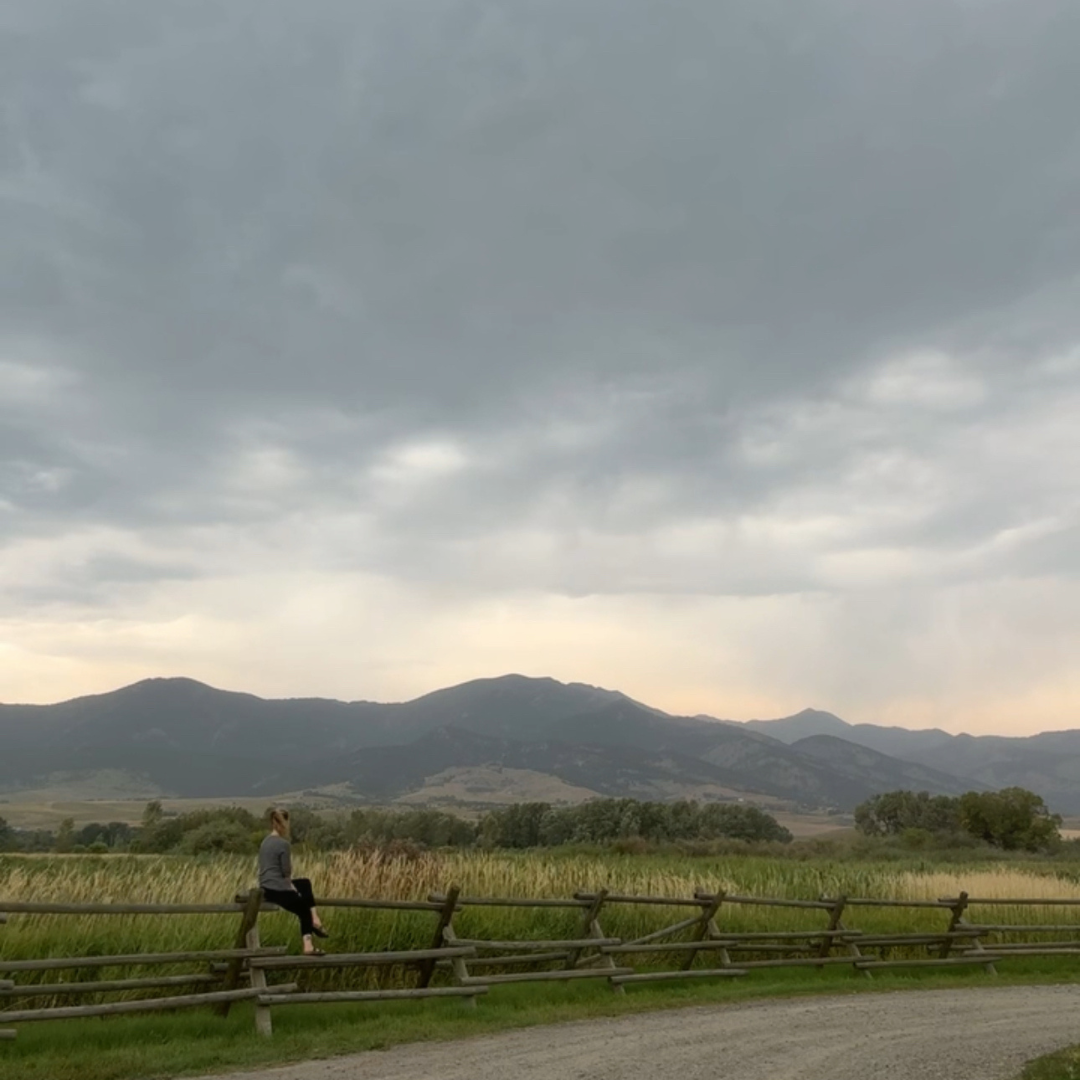
Sometimes the most healing thing you can do is sit with the sky and remember you're still here.
For many people, slowing down can feel unfamiliar, uncomfortable, or even unsafe, especially if you've spent years surviving by staying productive, helpful, or needed.
When Small Moments Aren't Enough: The Case for Therapy Intensives
Sometimes, if you've been running on empty long enough, it takes more than small daily habits to feel like yourself again. It takes stepping out of your day-to-day life and into something more intentional and immersive.
This is exactly where therapy intensives for burnout and stress recovery can be life-changing. Not as an escape, but as a supported, clinical process of returning to yourself in a more grounded, sustainable way. Think of it as a personal reset retreat with real therapeutic depth behind it.
How to Find the Right Self-Care Routine for You
There isn't one right way to do self-care for mental health. Yes, the fundamentals matter — eat well, sleep, move your body, take breaks. But real, restorative self-care is more personal than that. It's less about what it looks like and more about what it does for you.
What actually fills your bucket?
For some people, it's being around others. For others, it's finally getting time alone.
For some, it's creative work, time in nature, or a conversation where they don't have to hold everything together.
And for some, it's sitting with a counselor and not having to be the strong one for an hour, or a weekend.
You get to decide what that looks like for you.
Starting Small: Your First Step Toward Burnout Recovery
If you're not sure where to start your burnout recovery journey, start small.
Make a list, not the kind you think you should have, but the kind that really feels like you. Things you've enjoyed before. Things you've been curious about or have been wanting to try. Things that might feel good, even if you haven't made time for them in a while.
And then, gently, begin. Not all at once. Just enough to start filling your bucket again.
Ready to Come Back to Yourself?

If you've been running on empty for a while, sometimes it takes more than small shifts. At SACCA Therapy Intensives, our individual and group therapy intensive retreats are designed to support burnout recovery, nervous system regulation, and deep personal reconnection — so you can step back into your life with capacity, not just endurance.
Learn more about our approach →
Kory Ann Rogers, LCPC